Every cartridge on MnemoHub ships its real src/. Clone
one, read it, and you see exactly how an app connects to the vault.
Below are the 6 in the signed store, most-used first, then
8 in beta you install yourself.
Documents · read aloud
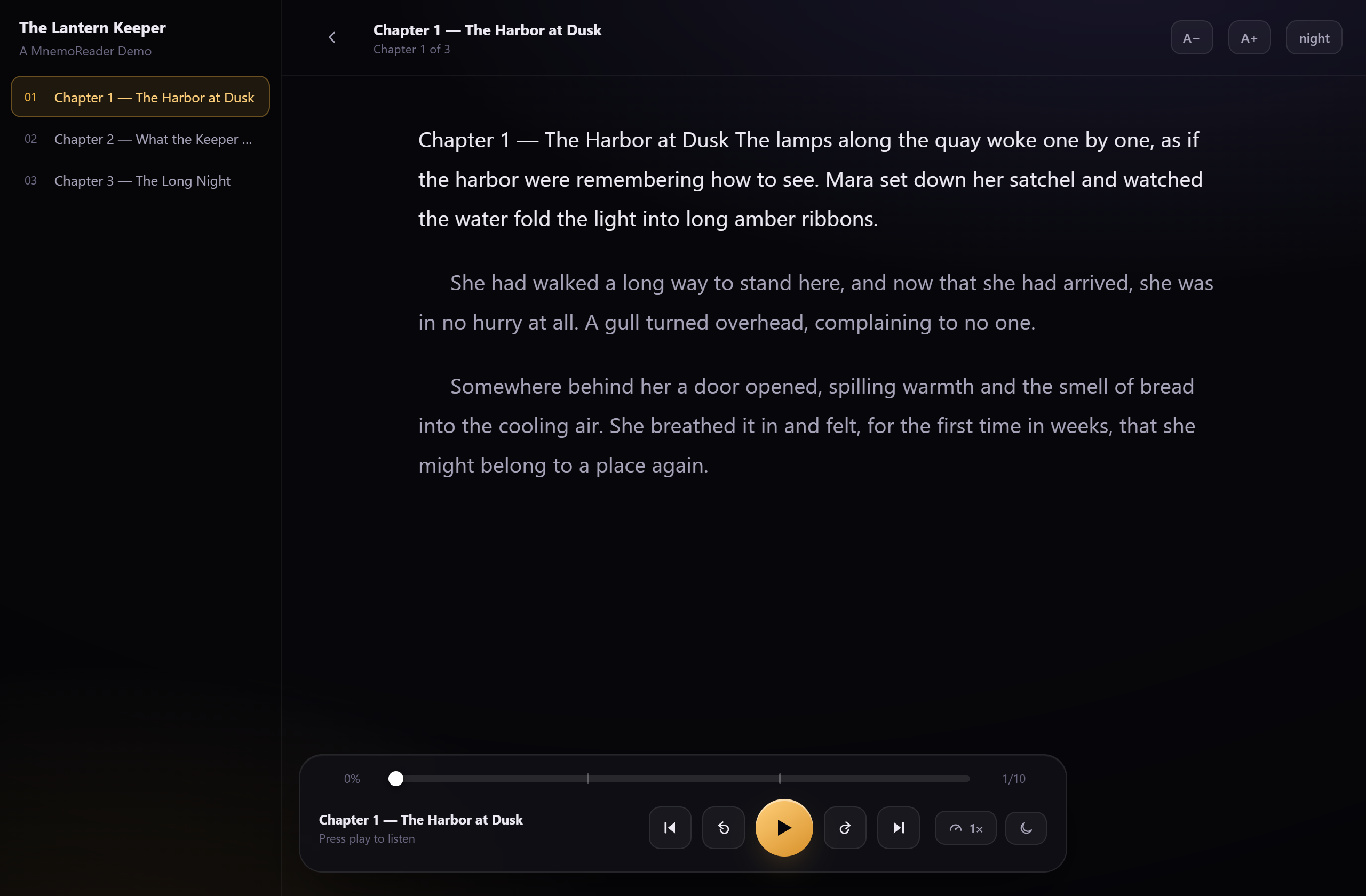
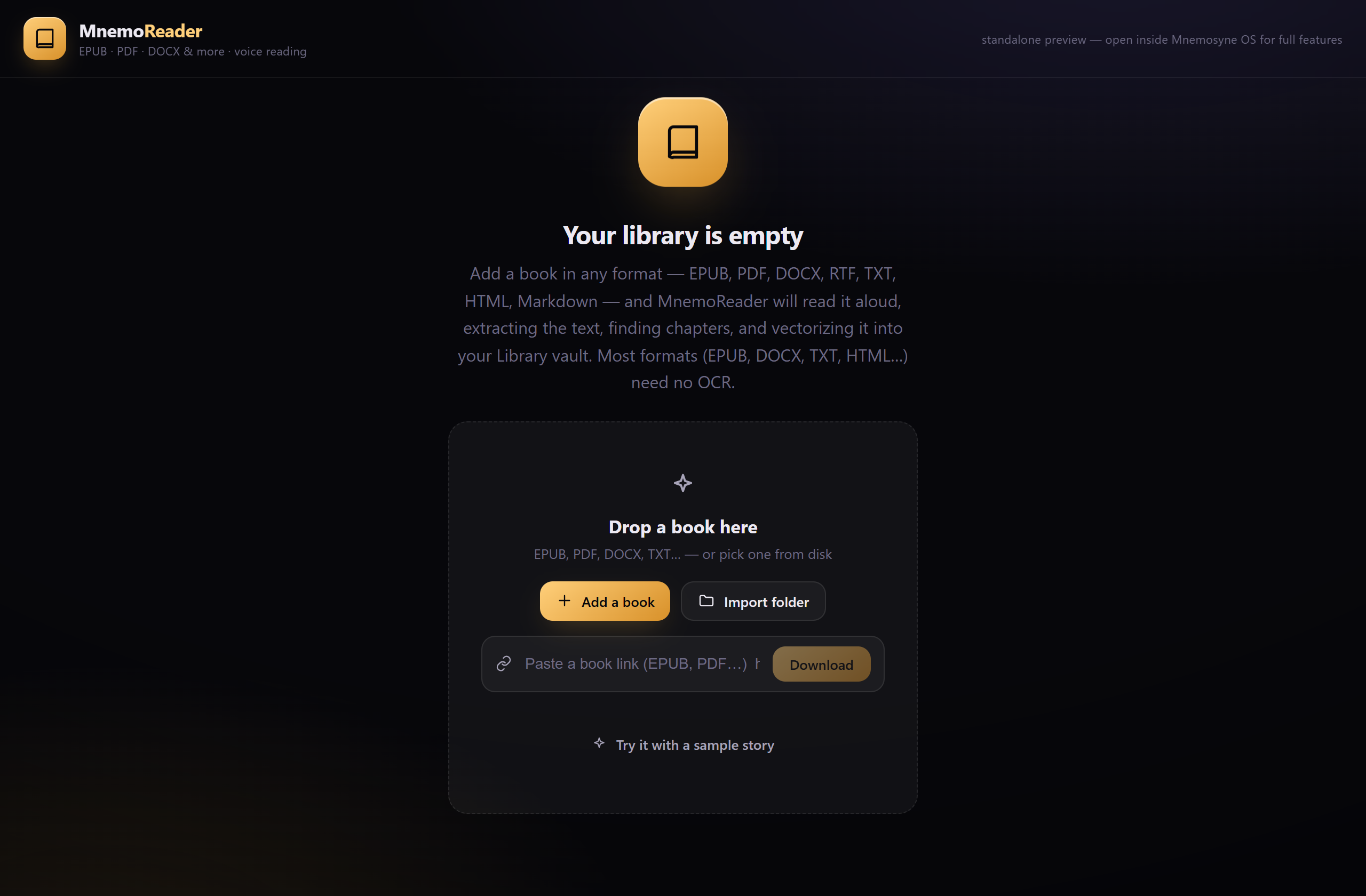
MnemoReader
Drop an EPUB, a PDF, a Word file, or a whole folder. It becomes a library that reads itself to you, one word lit at a time. Chapters are detected on the way in, so you resume where you stopped.
And the book stays. Everything you drop lands in a Library vault, indexed by meaning. A passage you half remember is one question away, months later.
Create · neural coding
Muse beta
Describe an app in plain words. Muse asks one question at a time until the idea fits a v0 of at most three features. It designs that v0 with you, writes a real project on disk, and hands it to your IDE agent.
Then it re-reads what came back. A truth pass checks every promised feature against the delivered code. It writes down what it could not verify. That list tells you where to look, and it never proves the code is right. The lane, the style and the model tier stay your call.
Languages · translate, then remember
Translator
A sentence, a paragraph, or a 200-page PDF, scanned ones included, with OCR on the way in. You pick the engine per job. With a local model, the text stays on the machine. A cloud one takes over when the sentence deserves it.
It also mines what you just read for the words you did not know. You review them with spaced repetition, right before you would have forgotten them. You end up speaking the language.
Relationships · personal CRM
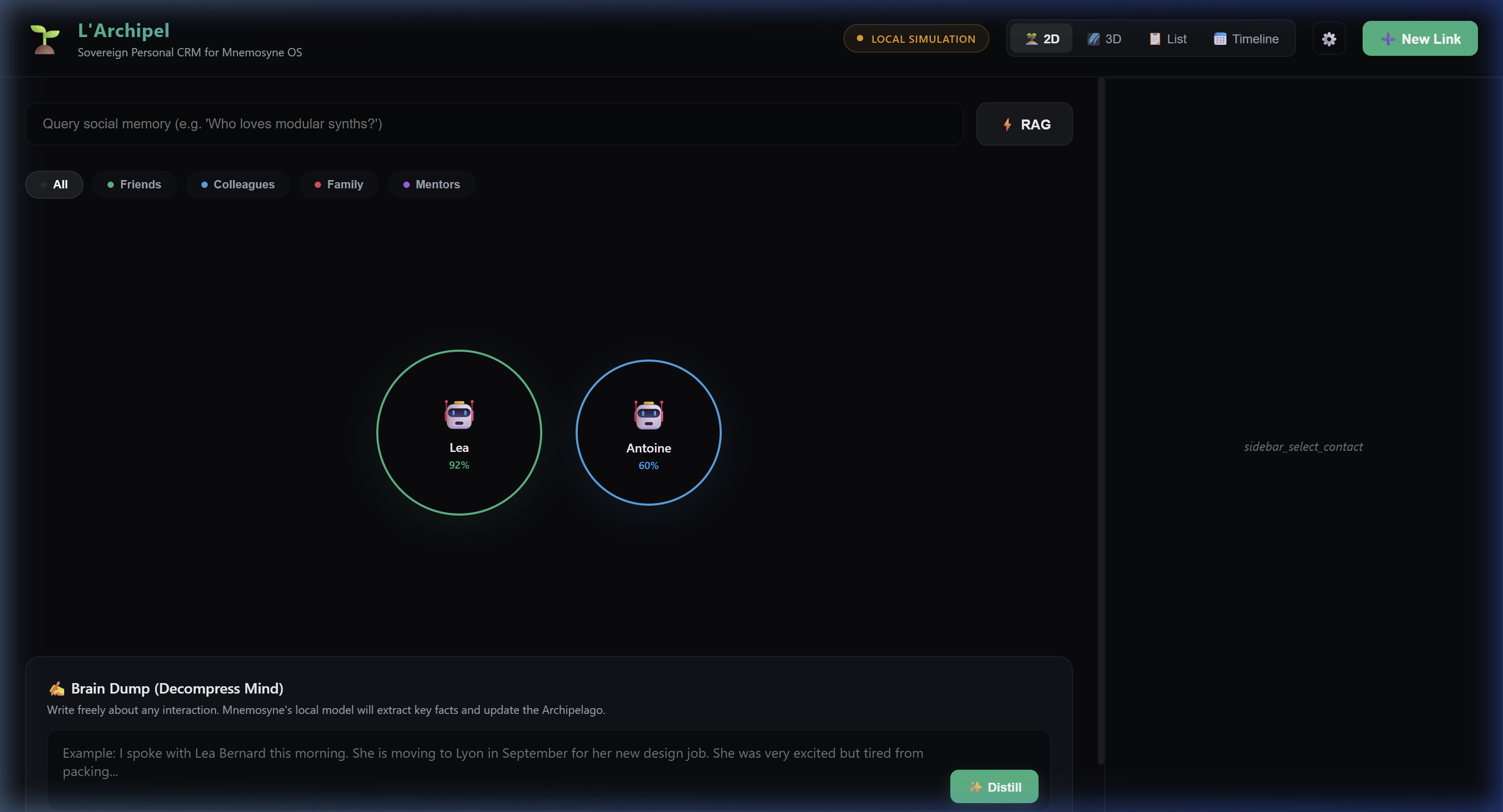
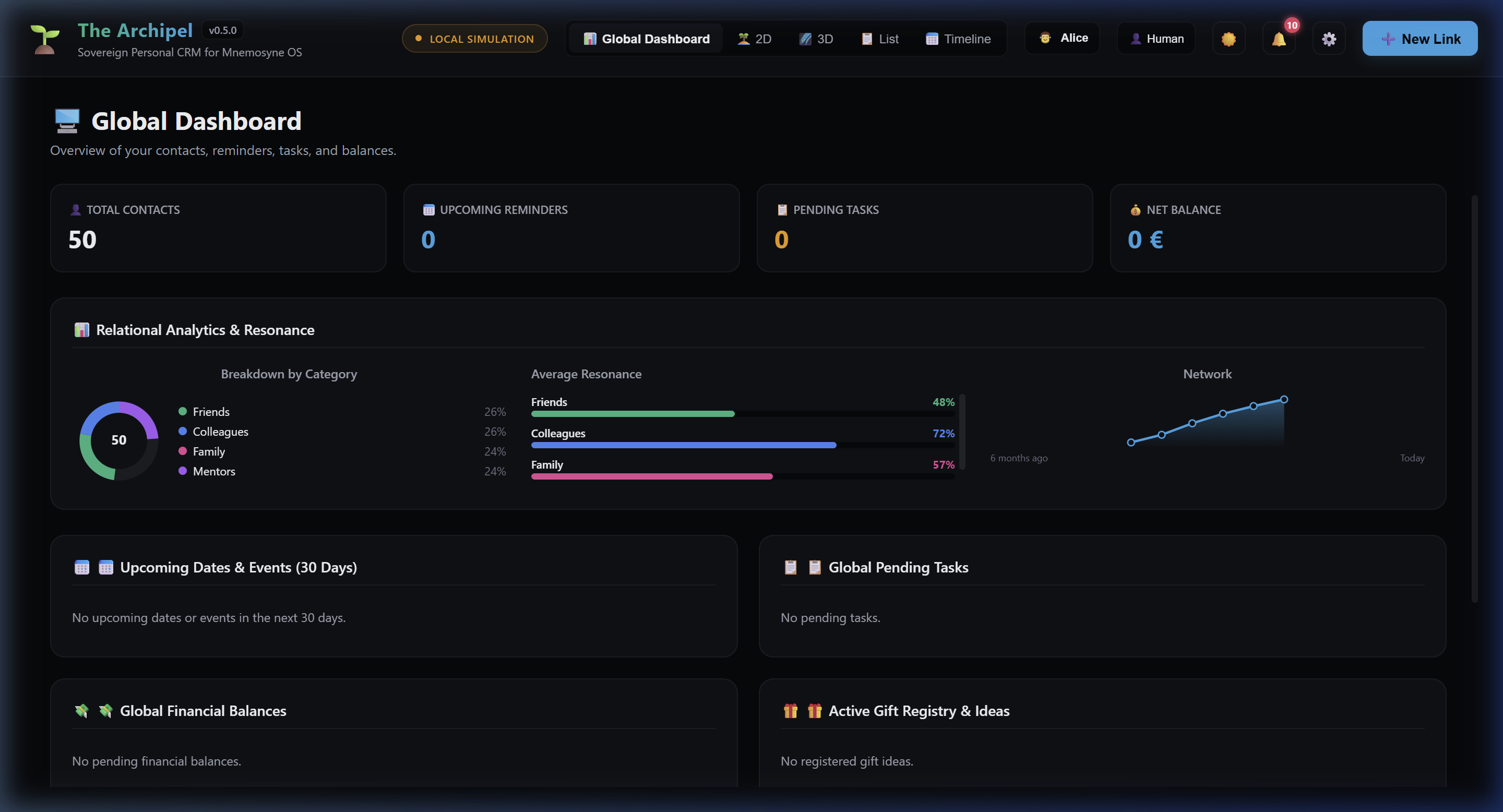
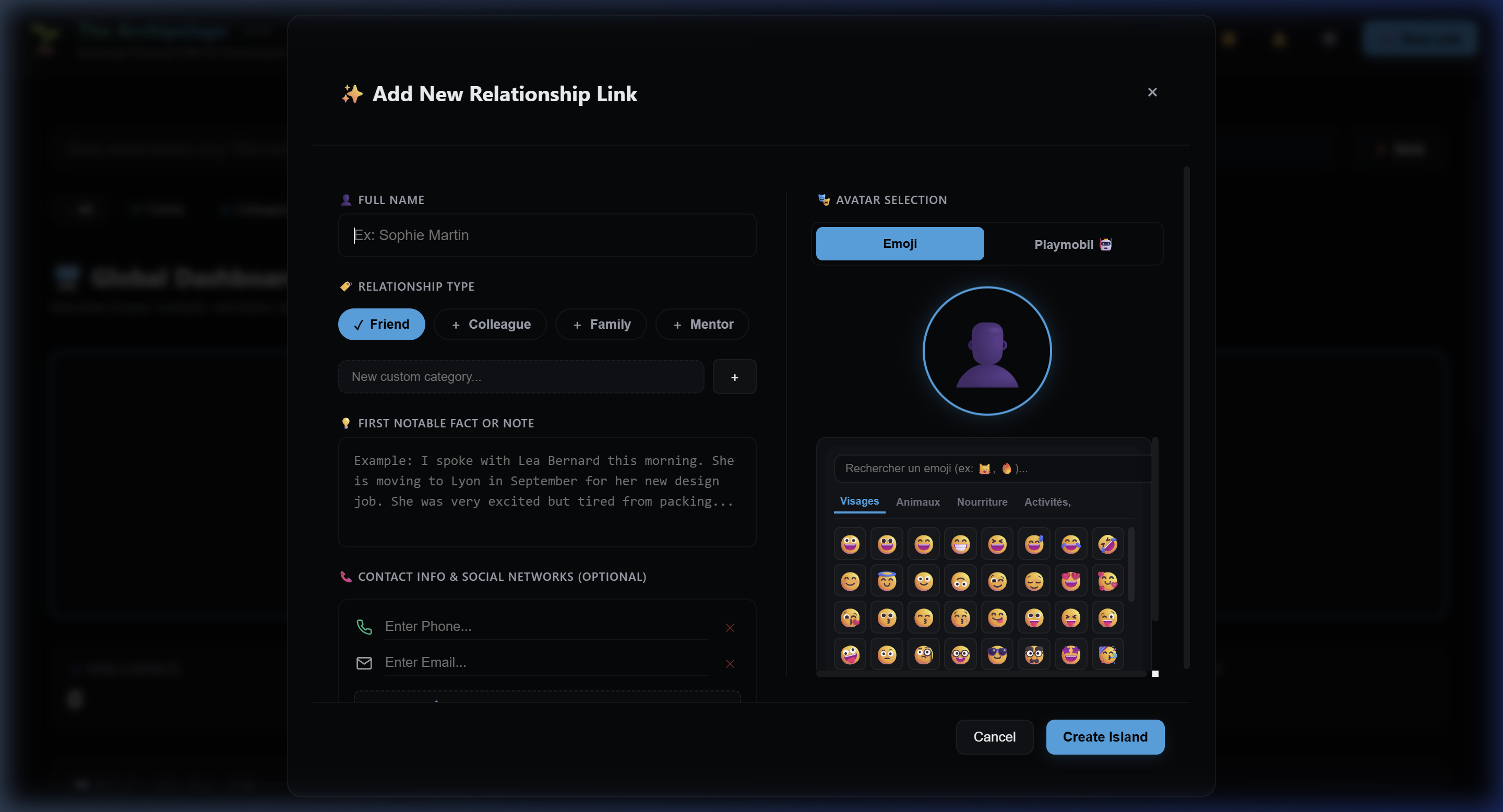
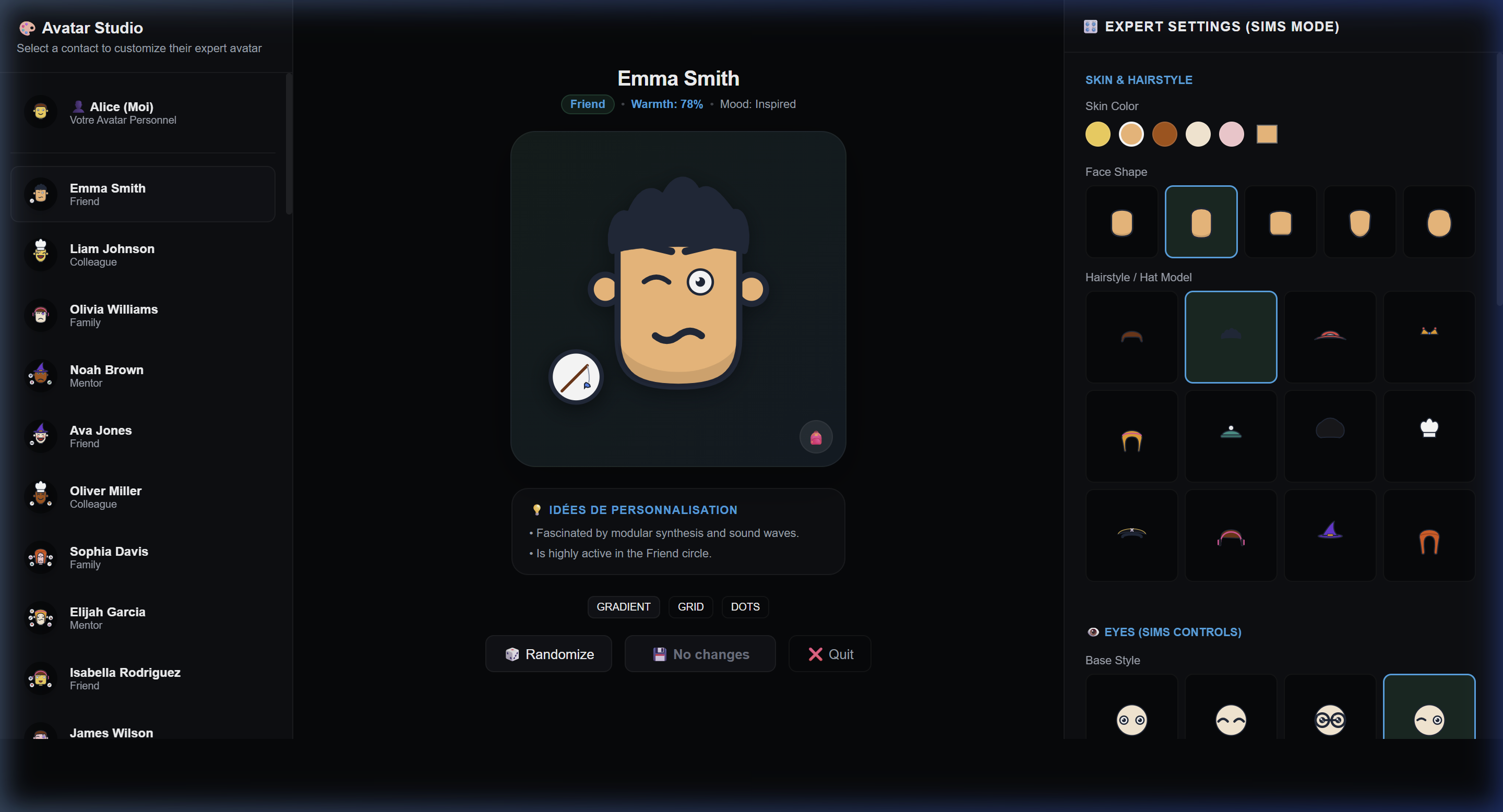
L'Archipel CRM
L'Archipel is a sovereign personal CRM, offline-first. It is written for the way an ADHD brain loses people, not on purpose, just by silence. It maps your contacts, your exchanges and the links between them, an archipelago you navigate.
Every person, every interaction lands in your vault and connects to the others by meaning. Memory becomes a map you roam.
Projects · from a fuzzy idea to a plan
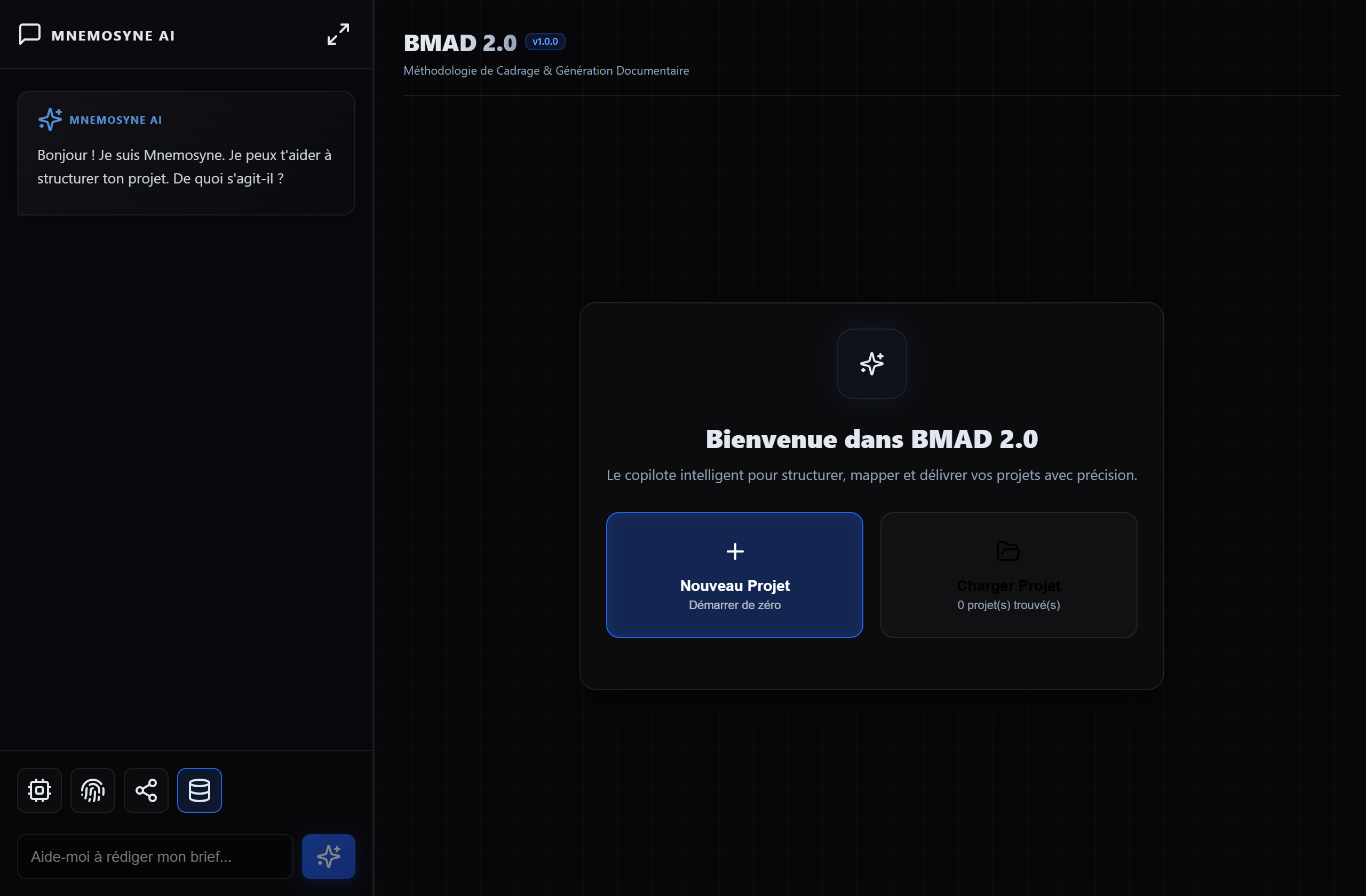
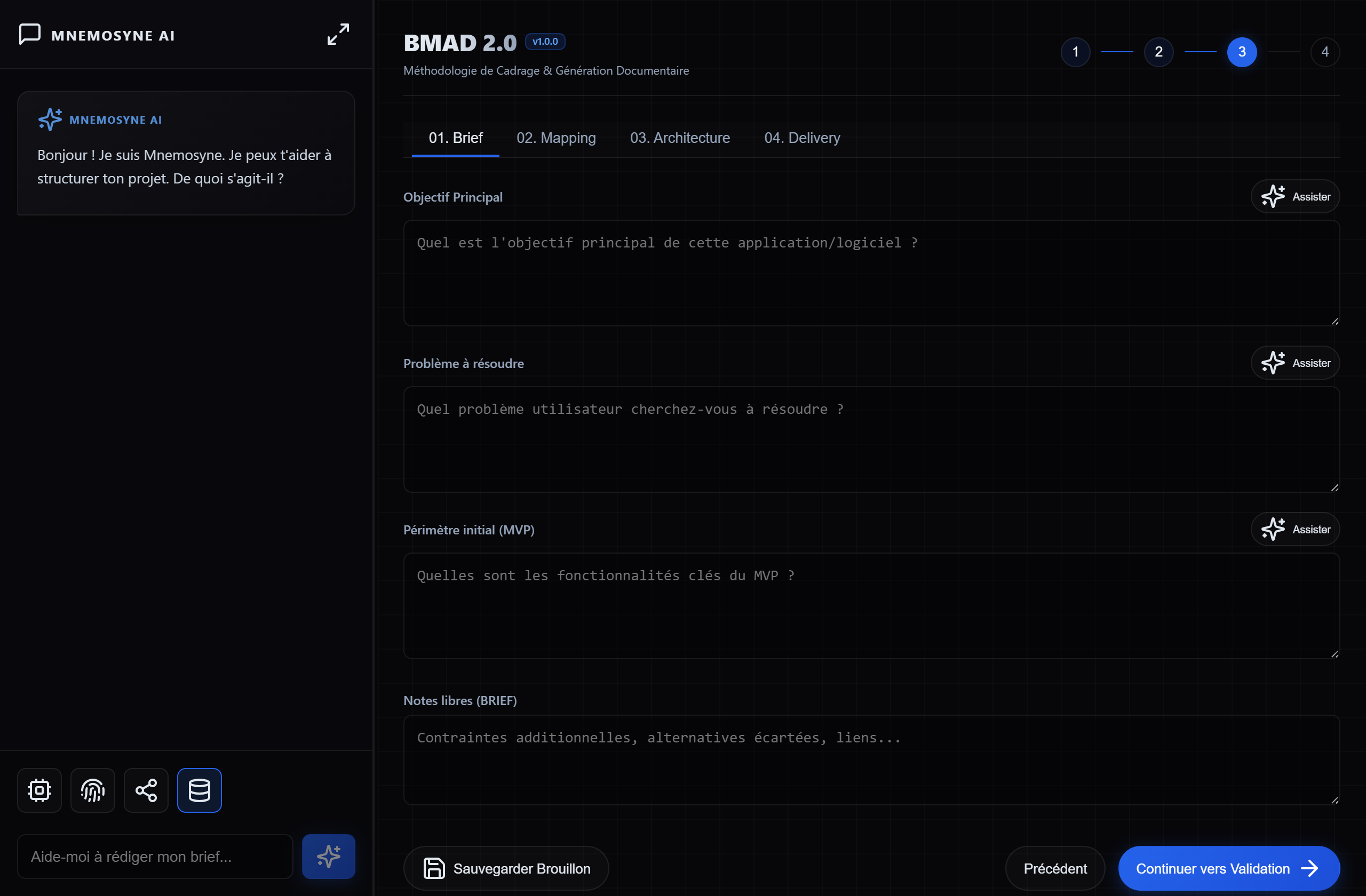
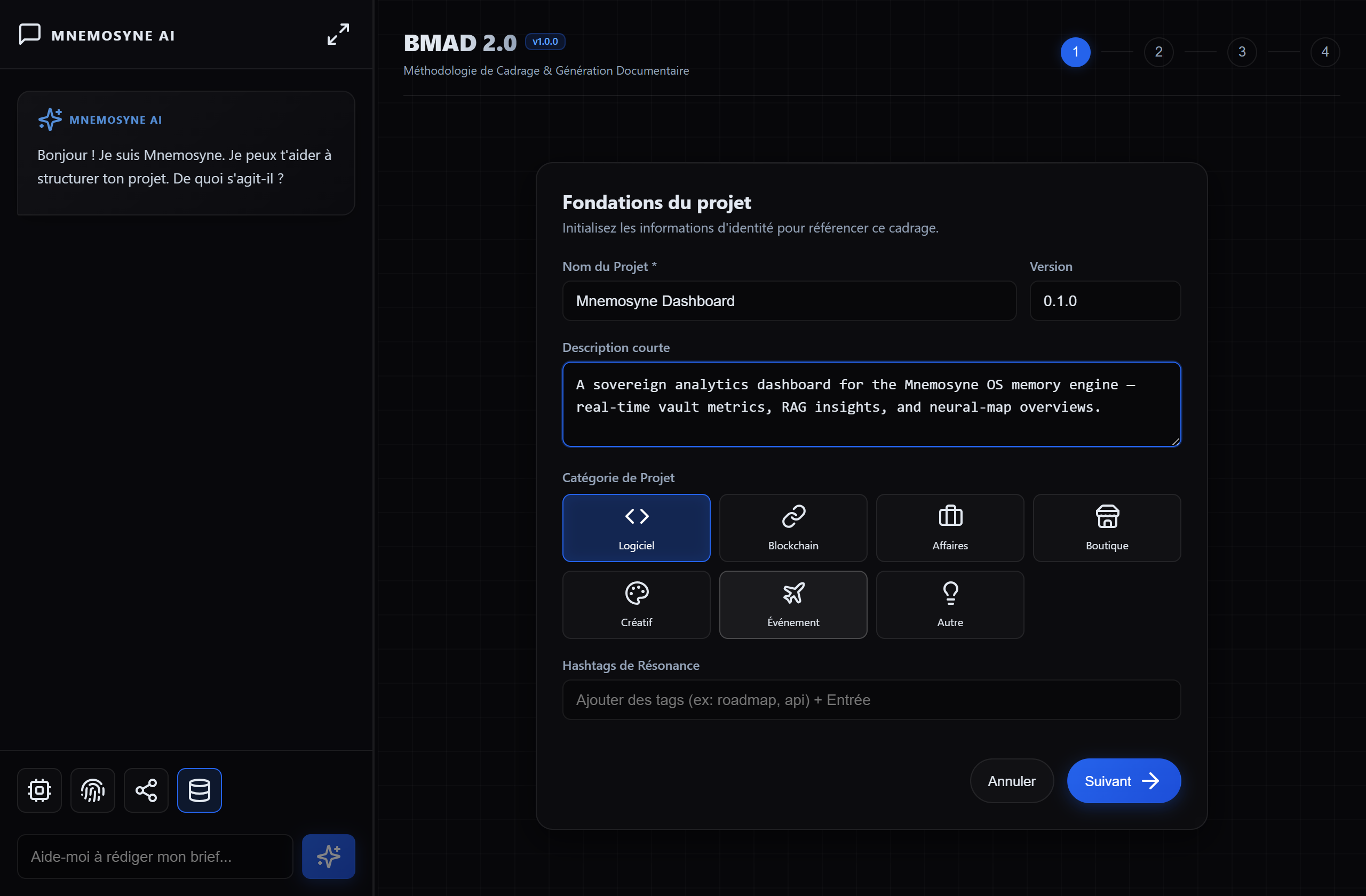
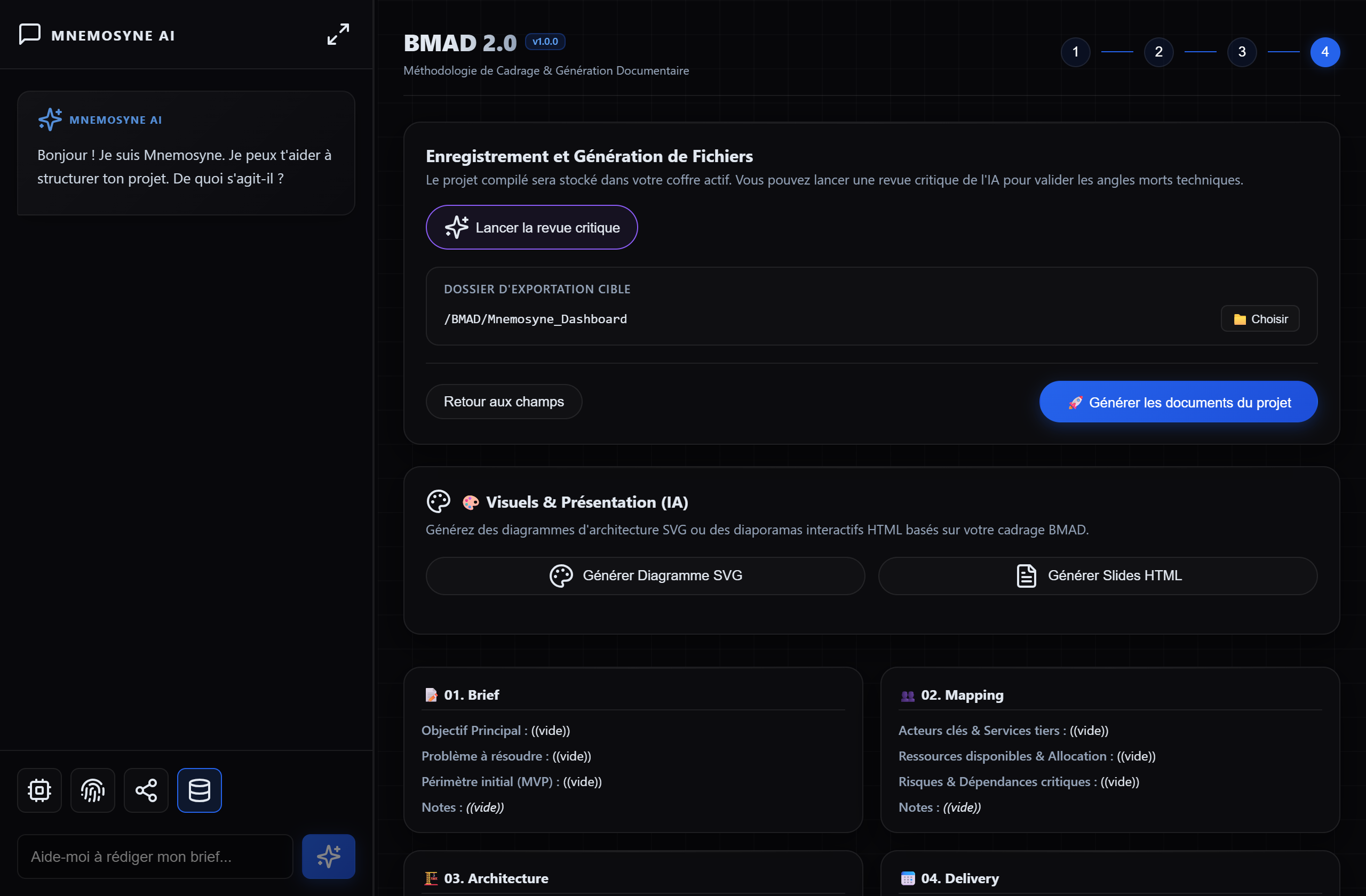
BMAD 2.0
Brief, Mapping, Architecture, Delivery. BMAD takes an idea in its raw state and returns a project blueprint, scoped, broken down and ready to execute.
It keeps the thread of your thinking in memory, from one session to the next. You come back a week later and the reasoning is still there, not just the conclusion.
Business · restaurants
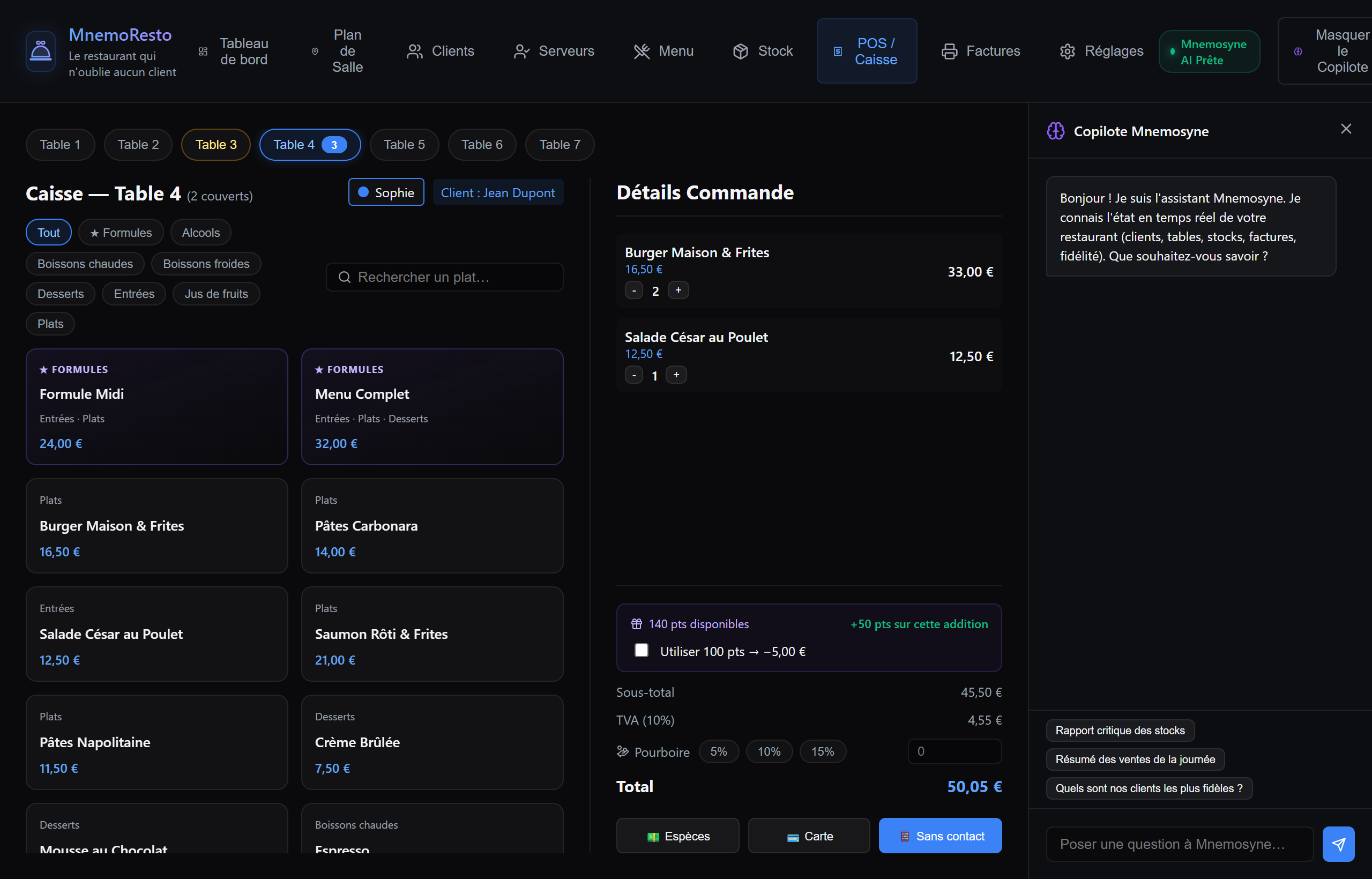
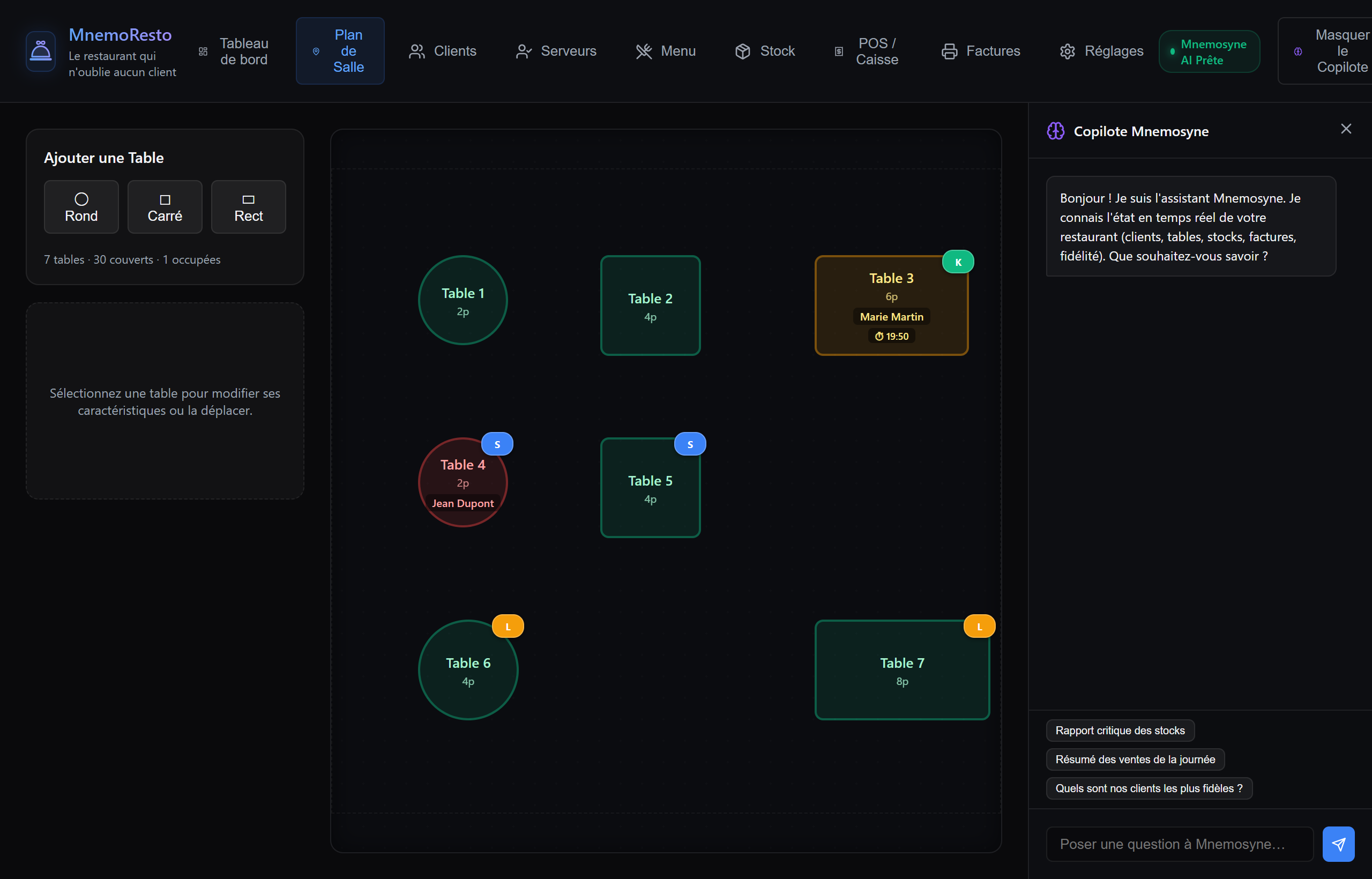
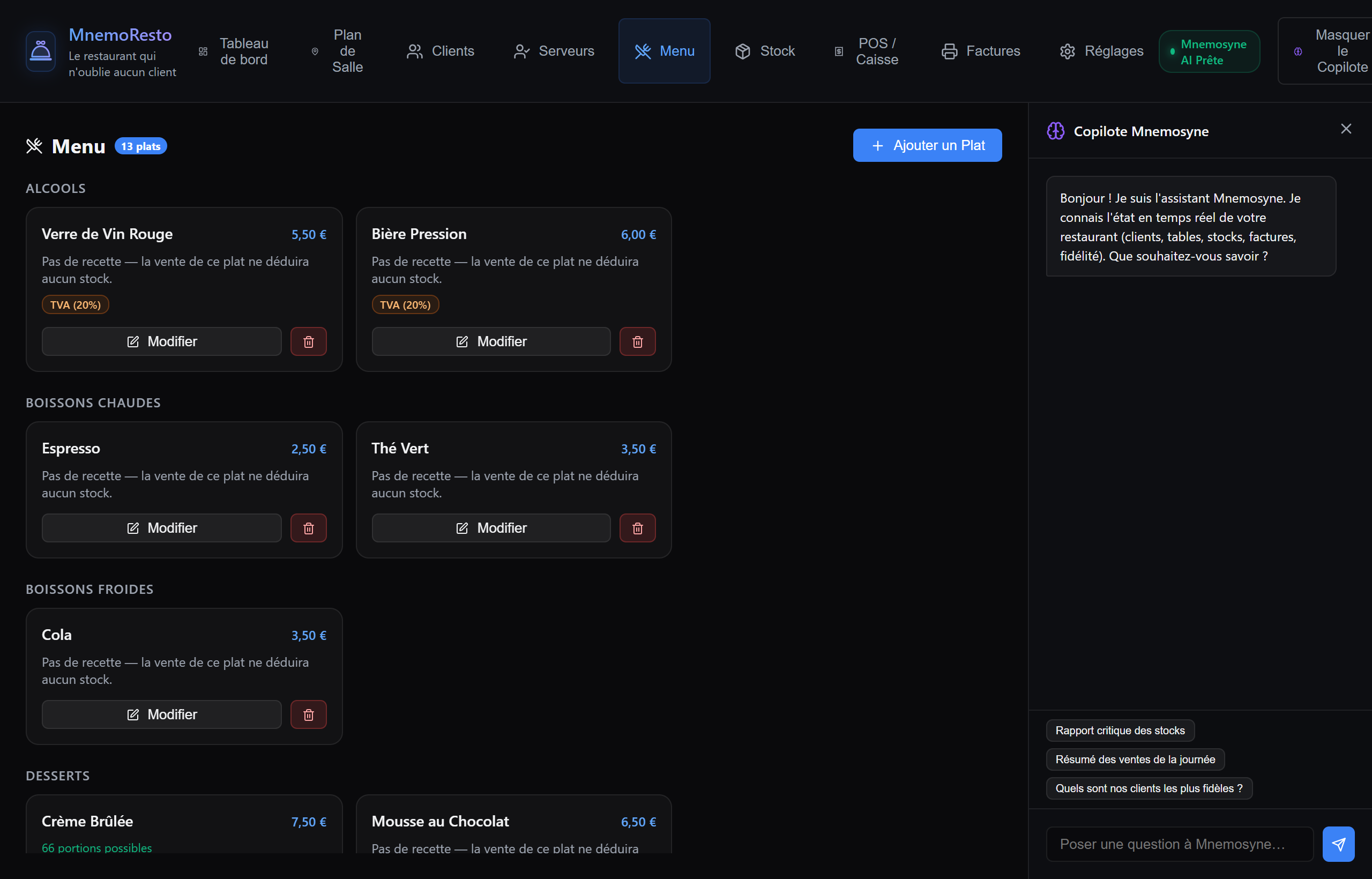
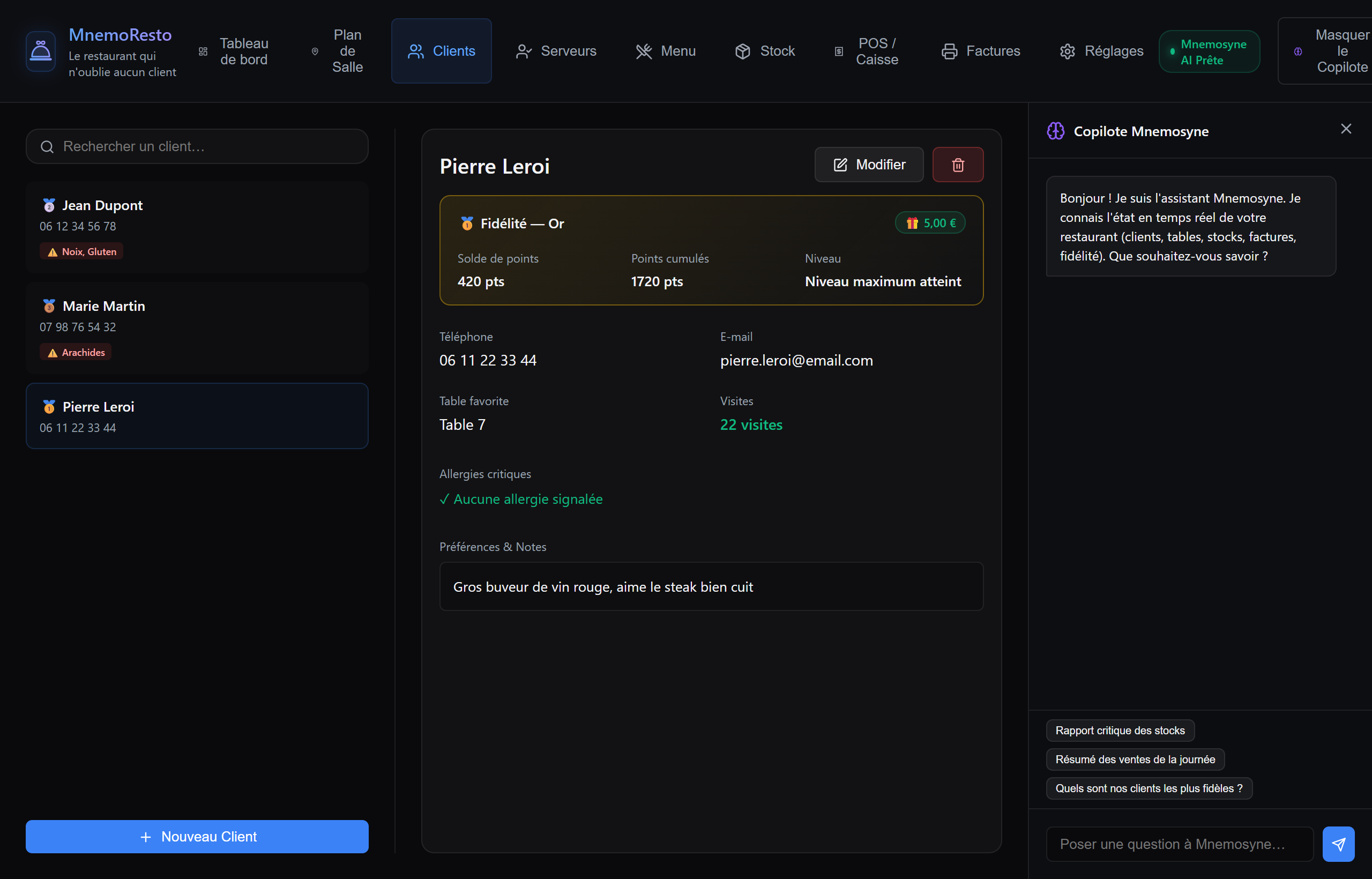
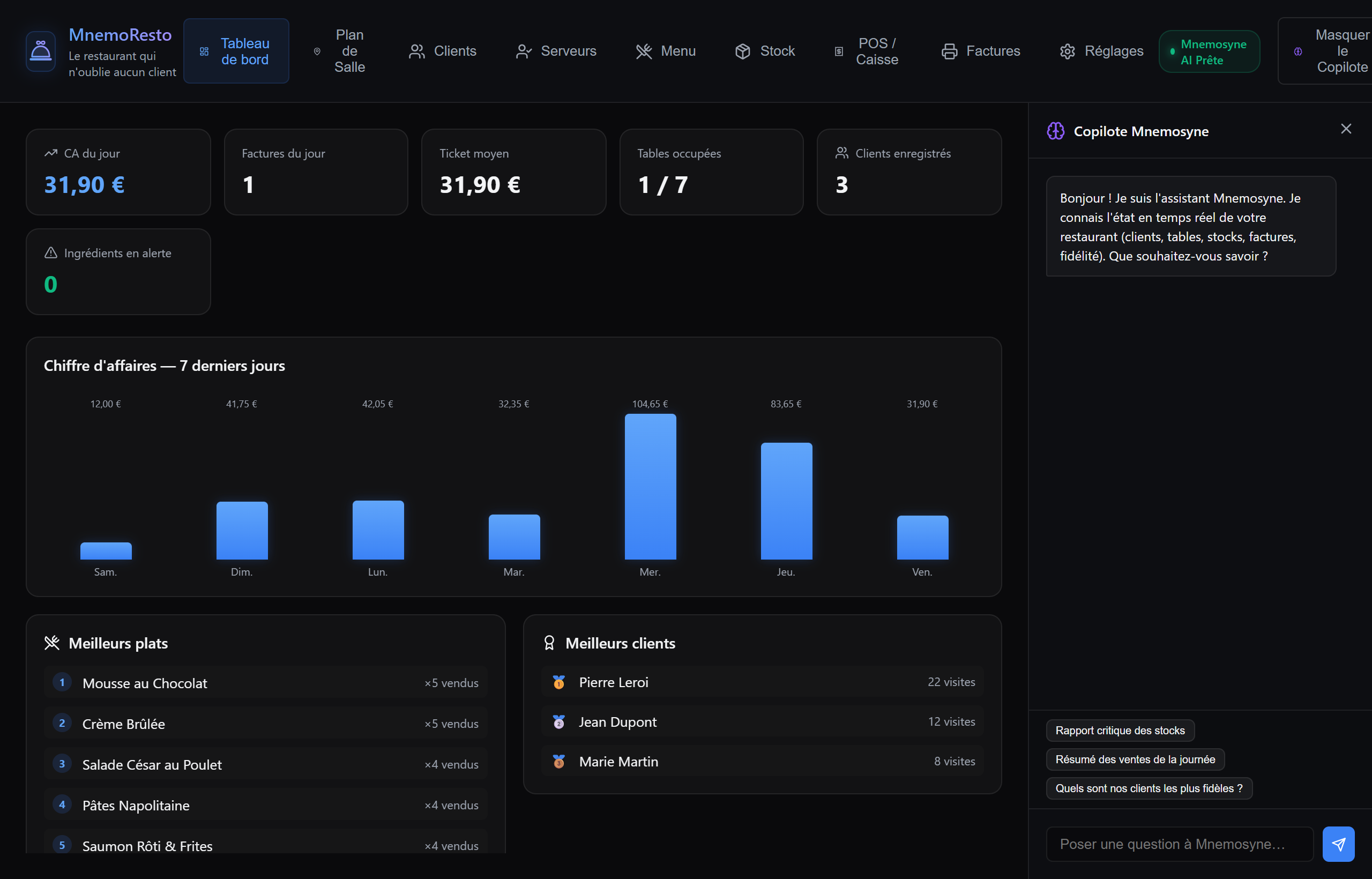
MnemoResto
MnemoResto is the deepest app in the catalog, and the most specific. It is a complete restaurant suite: point of sale, floor plan, reservations, loyalty CRM, servers and tips, per-item VAT, stock and invoicing. It is built to run on site, with no mandatory cloud.
Business data lives in sealed vaults on the restaurant's own machine. Guests, orders and history stay yours, encrypted, and queryable. MnemoResto ships in three languages, and it runs in production.
Not in the store yet
8 you install yourself, while they are in beta.
These are usable today, and each one states what it has been
exercised against. They have no catalog entry, no review
and no signed listing, so you add them by hand, from their
own repo. If one breaks on your setup, that is the interesting
case. Every repo takes issues.
MeleteMIT · beta
A course becomes a mind map, flashcards and a quiz.
Import a PDF, a Word file or a photo of the lecture screen. Melete turns it into a mind map, a schema, Leitner flashcards and a quiz. The quiz tells you which topics you missed, instead of a percentage. Every card and every question carries the verbatim excerpt it came from, and the prompts forbid the model from adding anything the course does not say. Everything is filed into Melete's own vault, so the chat finds that course months later, with Melete closed.
Exercised against: Developed and tested on Windows. Not yet exercised on: macOS, Linux. One generation reads about 12,000 characters of a course, and the screen says so when it happens.
Switch between a male body of 2,234 pieces and a female one of 888. Toggle fifteen systems, isolate a structure, or explode the whole body, then ask what your notes already say about the piece you are looking at. It can then quiz you: it hides a structure's name, asks which one it is, and remembers when to ask again. It all works offline.
Exercised against: Developed and tested on Windows. The anatomy comes from BodyParts3D and the HuBMAP HRA. Not yet exercised on: macOS, Linux. It is not a diagnostic tool, and the female set is an organ set: no arms, no hands, no feet. The credits panel says so.
The sky for a place and a date, wired to your observing notes.
Every star, cluster, nebula and galaxy carries its catalogue identifier: HIP 32349, M31, NGC 224. So you can ask what your own observing notes say about the object on screen. The sky is computed for any instant and any place you name, with the Sun, the Moon and the planets in position, rise and set times, and the Moon's phase. Then it quizzes you, and remembers when to come back.
Exercised against: Developed and tested on Windows, offline. Not yet exercised on: macOS and Linux.
Turn a protein in 3D, read the experiment behind it.
Every structure carries a stable identifier: PDB, UniProt, ChEBI, InChIKey. A question asked in any language therefore reaches the same molecule. You read the method, the resolution and the year of the experiment, and you ask what your notes already say. Then it quizzes you on what you just looked at. It all works offline.
Exercised against: Windows, against its own production build: the library, the 3D view, the identity card and a full quiz run. Not yet exercised on: macOS, Linux, and everything that talks to the host: the memory button, the review schedule and writing a session into a vault. Its repo says so.
Your coding agents already keep a full transcript of every session on this machine. Ariadne reads those files. It shows which agent ran in each session, the project, the branch, the last action and the files it wrote. The drafts worth keeping go into a vault you name, one file, one press. It also warns you when two sessions are live on the same branch, because a commit from one picks up the other's staged work.
Exercised against: 212 real transcripts, Claude Code and Antigravity, on Windows. 249 tests. Not yet exercised on: macOS, Linux, and agents other than those two.
Reputation coach for Reddit and Hacker News. It never posts.
Communities delete launch posts from accounts with no history, and they are right to. The only fix is genuine participation, built over weeks. Pheme finds the threads where you actually know something. It drafts possible replies grounded in your own memory, and coaches what you send. It cannot post at all, because it holds no write door.
Exercised against: 263 tests, developed on Windows. Not yet exercised on: macOS and Linux.
Your home, remembered. Read-only, on your own network.
Oikos reads what your Home Assistant already knows: temperatures, doors, motion, who is home. It saves camera stills into its own vault, where Mnemosyne OS indexes them. Months later you can ask which days it snowed, or when the gate was left open. It cannot switch anything on or off. That is not a setting, because the only door it holds is a GET.
Exercised against: 76 tests, driven end to end against fixtures. Not yet exercised on: A live Home Assistant install, macOS, Linux. If you run one, breaking it is the useful thing to do.
A cockpit for your Hermes Agent. You govern what it remembers.
Hermes roams the world. Its own memory is flat files, with no vaults, no protection levels and no provenance. MnemoHermes watches it, talks to it and manages its skills. It puts every memory it wants to write in front of you first: keep, move or reject, with the provenance attached.
Exercised against: 145 tests over 10 files, mutation-checked, 7 languages at key parity. Its security presets were written against the Hermes v0.20 source. Not yet exercised on: macOS, Linux, and Hermes builds other than v0.20.
Change them. Fork one, keep what works, rewrite
the rest, replace the entire interface if that is what you want.
None of these are meant to be used exactly as they come. Requests get an
answer. You never have to wait for one, because the source is right
there and building on it is what it is for.
The MIT cartridges are yours, fork and ship them
anywhere. The Cartridge License is source-available:
read it, learn from it, modify it. The one condition is that it runs
inside the Mnemosyne OS ecosystem.